
The Ultimate Gluten-Free Pantry Staples List
A Practical Guide to Stocking a Gluten-Free Kitchen.
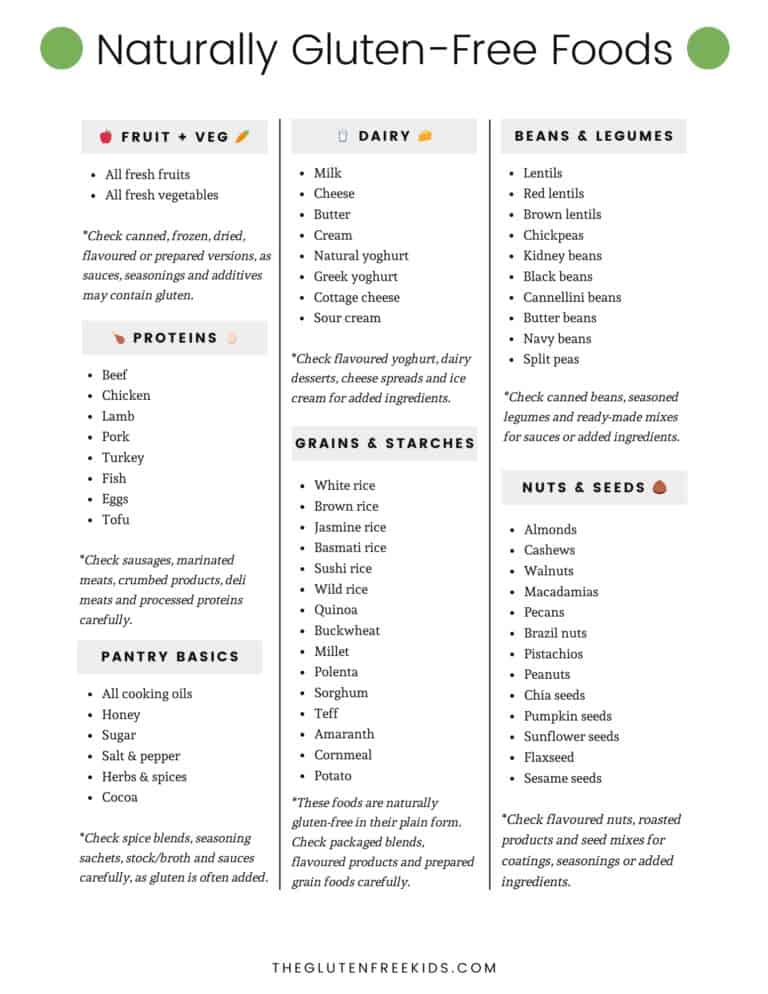
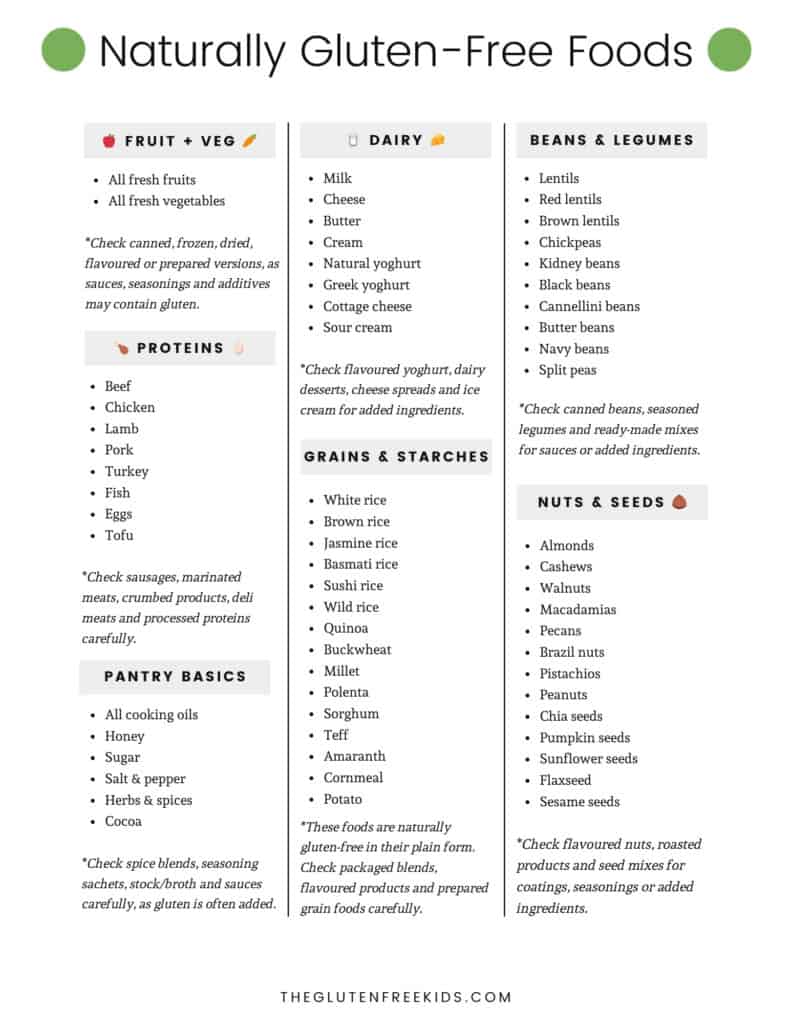
If you’re new to gluten-free living, one of the first things that makes life easier is setting up a pantry with the right ingredients.
At the beginning it can feel like you suddenly need to replace everything in your kitchen. The good news is that you don’t. Most everyday meals can be made gluten-free with simple swaps and a small collection of reliable pantry staples.
When we got our first diagnosis back in 2013, I remember feeling overwhelmed in the supermarket. Suddenly I was checking every label, second-guessing ingredients and wondering what I could actually cook.
Over time I realised something important: once you have the right core ingredients stocked in your pantry, gluten-free cooking becomes much simpler. You can bake, cook meals, pack lunchboxes and make snacks without constantly needing specialty products.
This guide shares the most useful gluten-free pantry staples I recommend for families. I hope it helps!
Gluten-Free Flours
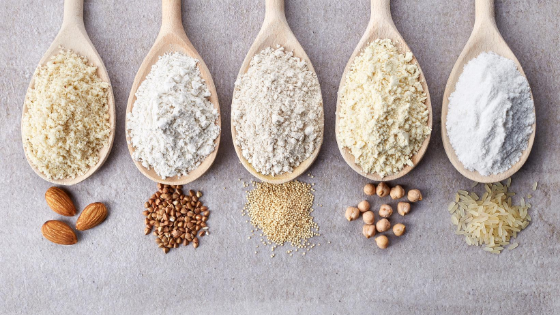
Gluten-free baking usually works best with flour blends, rather than single flours, because different flours bring different textures, flavours and moisture levels. You don’t need all of these at once, but these are the most common gluten-free flour blends used in recipes:
- Gluten-free plain flour (US: gluten-free all-purpose flour)
- Gluten-free self-raising flour (US: gluten-free self-rising flour)
- Gluten-free bread flour
These blends are designed to replace wheat flour in most recipes.
Single gluten-free flours:
- Rice flour
- Brown rice flour
- Almond meal (US: almond flour)
- Coconut flour
- Buckwheat flour
- Sorghum flour
- Millet flour
- Chickpea flour (also called besan or gram flour)
- Tapioca flour (US: tapioca starch)
- Potato starch
- Cornflour (US: cornstarch)
Different flours play different roles in gluten-free baking – some provide structure, some add softness, and others help absorb moisture. Check out this article if you’re interested in a deep-dive into gluten-free baking ingredients and why each ingredient works.
Gluten-Free Baking Essentials
These ingredients help gluten-free baked goods rise properly, hold together and maintain a good texture.
Must-have baking ingredients:
- Xanthan gum
- Psyllium husk
- Baking powder
- Bi-carb soda (US: baking soda)
- Cornflour (US: cornstarch)
- Cocoa powder
- Vanilla extract
- White sugar
- Brown sugar
- Icing sugar (US: powdered sugar)
Psyllium husk is especially useful for gluten-free breads and dough recipes, where it helps create elasticity and structure.
Gluten-Free Baking Add-Ins and Mix-Ins
These are the ingredients that make gluten-free baking more interesting – especially when making slices, muesli bars, cookies and lunchbox snacks.
Useful pantry add-ins:
- Desiccated coconut
- Shredded coconut
- Chopped nuts (almonds, walnuts, pecans, macadamias)
- Mixed nuts
- Seeds (sunflower seeds, pumpkin seeds, chia seeds, flaxseeds)
- Maple syrup
- Honey
- Chocolate chips
- Gluten-free breadcrumbs
These ingredients are especially useful for things like energy balls, slices, bars, muffins and granola.
Gluten-Free Grains, Noodles and Rice
These ingredients replace traditional wheat-based carbohydrates and form the base of many everyday meals.
Rice and grains:
- White rice
- Brown rice
- Sushi rice
- Jasmine rice
- Basmati rice
- Quinoa
Gluten-free noodles and pasta:
- Gluten-free pasta
- Rice noodles
- Vermicelli noodles
- Konjac noodles (shirataki noodles)
Other useful staples:
- Rice paper sheets
- Sushi nori sheets
- Gluten-free tacos & tortillas
These staples are helpful for quick dinners like stir-fries, noodle bowls, pasta dishes and rice bowls.
Cereals and Ingredients for Slices and Bars
These are extremely useful pantry ingredients if you regularly make lunchbox slices, muesli bars or snack bars.
Helpful cereals
- Gluten-free cornflakes
- Puffed rice (rice bubbles / crisped rice)
- Gluten-free breakfast cereals suitable for baking
Homemade mixes
These ingredients work well in slice recipes, chocolate crackles, snack bars and lunchbox baking.
Gluten-Free Cooking and Meal Ingredients
Keeping a few savoury staples in your pantry makes everyday cooking much easier. These ingredients form the base of many quick family meals.
Useful cooking staples
- Canned beans (chickpeas, kidney beans, black beans)
- Canned lentils
- Canned tomatoes
- Tomato paste
- Tomato passata/puree
- Coconut milk
- Coconut cream
- Gluten-free stock powder or liquid stock
These ingredients help you quickly create soups, pasta sauces, curries and simple tray-bake dinners.
Gluten-Free Sauces, Condiments & Spices
Many sauces contain hidden gluten from wheat-based thickeners or malt flavourings, so it’s important to keep gluten-free versions in your pantry.
Sauces:
- Gluten-free soy sauce or tamari
- Tomato sauce/ketchup
- Pizza sauce
- Mayonnaise
- Mustard
- Worcestershire sauce (check that it is gluten-free)
- Sweet chilli sauce
- BBQ sauce (check label)
- Teriyaki marinade
- Oyster sauce
- Hoisin sauce
- Gravy
Sauces can be one of the sneaky places that gluten hides. Make sure to check all your sauces for all versions of gluten and swap these out for gluten free versions.
Cooking oils:
- Olive oil
- Vegetable oil
- Sesame oil
- Vinegar (most varieties are naturally gluten-free)
- Coconut oil (amazing in gluten-free recipes)
Spices and seasonings:
- Curry powder
- Paprika
- Cumin
- Turmeric
- Italian herb blends
- Salt and pepper
- Garlic powder
- Onion powder
- Dried herbs
- French onion soup mix
- Fajita seasoning
- Taco seasoning
Once these staples are stocked, most everyday recipes can easily be adapted to gluten-free.
Lunchbox and Snack Staples
If you’re feeding gluten-free kids, having quick snack options on hand makes life much easier.
Handy pantry snacks
- Gluten-free crackers
- Rice cakes
- Popcorn kernels
- Nut butters (if school-safe)
- Corn chips
These staples help you put together quick snacks and lunchboxes without needing to bake every day.
Helpful Fridge Staples
Some ingredients are best kept refrigerated but are still very useful to keep stocked.
Fridge essentials
- Eggs
- Butter
- Milk or dairy-free milk
- Greek yoghurt (I use this 2 ingredient dough recipe a lot!)
- Cheese
- Mayonnaise
- Fresh herbs
- Pre-cut vegetables (carrot, cucumber, capsicum)
- Gluten-free deli meats
- Shredded chicken
These pair easily with pantry ingredients to create quick breakfasts, lunches and dinners.
Freezer Staples That Make Life Easier
Many gluten-free products freeze well, which makes them easier to keep on hand.
Useful freezer staples
- Gluten-free bread
- Gluten-free wraps
- Gluten-free pizza bases
- Gluten-free puff pastry
- Frozen vegetables
- Frozen berries
- Freezer stash of gluten-free snacks
Freezing gluten-free bread in particular helps reduce waste and ensures you always have some available.
Gluten Free Mixes
I do like to make from scratch as much as possible, but on a work morning or a busy day, it’s a lifesaver to have a package mix on hand to pull together quickly. We keep one of each of these in the pantry, but I do like to keep them as more a ‘back-up’:
- Pancake/Waffle Mix
- Cake/Cupcake Mix
- Muffin Mix
- Brownie Mix
How to Build Your Gluten-Free Pantry Without Overspending
When families first go gluten-free it can feel expensive, especially if you try to replace everything at once. A better approach is to build your pantry gradually.
Helpful tips include:
- Start with a few recipes your family already enjoys
- Add ingredients as you need them
- Choose supermarket home brands where possible
- Avoid buying specialty products you rarely use
Over time your pantry will naturally grow into one that works well for your family.
Simple Pantry Organisation Tips
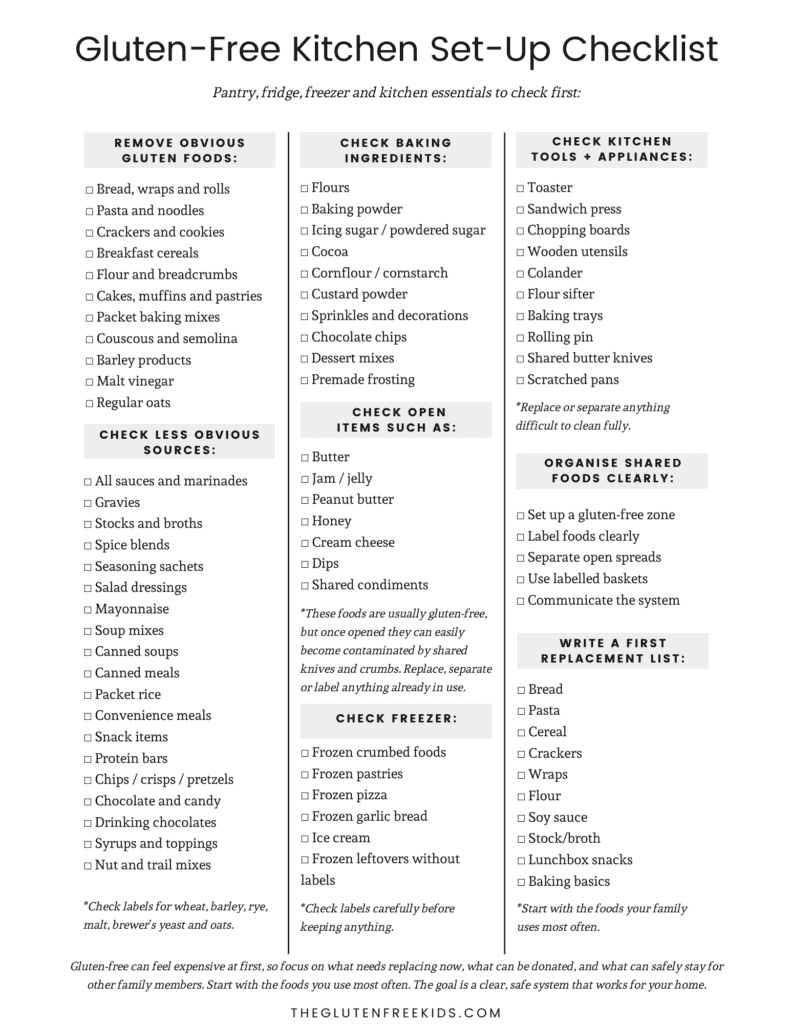
Keeping gluten-free ingredients organised can also help reduce the risk of cross contamination.
A few simple systems can make a big difference.
- Store gluten-free ingredients separately from gluten ingredients if your household still uses both
- Keep flours in airtight containers
- Label containers clearly
- Consider keeping a dedicated gluten-free baking shelf
These small changes make gluten-free cooking both safer and easier.
Final Thoughts
Your gluten-free pantry doesn’t need to be complicated or filled with expensive specialty products. Once you have a few reliable staples stocked in your kitchen, cooking gluten-free meals becomes much easier and far less stressful.
With the right ingredients on hand, most everyday meals – from breakfast and lunchboxes to family dinners and baking – can be made gluten-free with simple swaps.
If you’re just getting started, these guides may also help: