
Gluten-Free on a Budget: Simple Tips to Reduce Grocery Costs
Eating gluten-free can quickly increase the weekly grocery bill.
The biggest difference usually comes from those gluten-free replacement foods such as gluten-free bread, wraps, crackers, pastries, cakes, cereals and snack foods – products that often cost more, come in smaller packs, and disappear quickly.
The good news is that reducing gluten-free grocery costs usually comes down to buying these products ‘strategically’ and relying more on naturally gluten-free foods that are filling, affordable and easy to build meals around.
Use Naturally Gluten-Free Foods as the Base of Most Meals
One of the easiest ways to save money is to build most meals around foods that are naturally gluten-free, rather than relying heavily on specialty products.
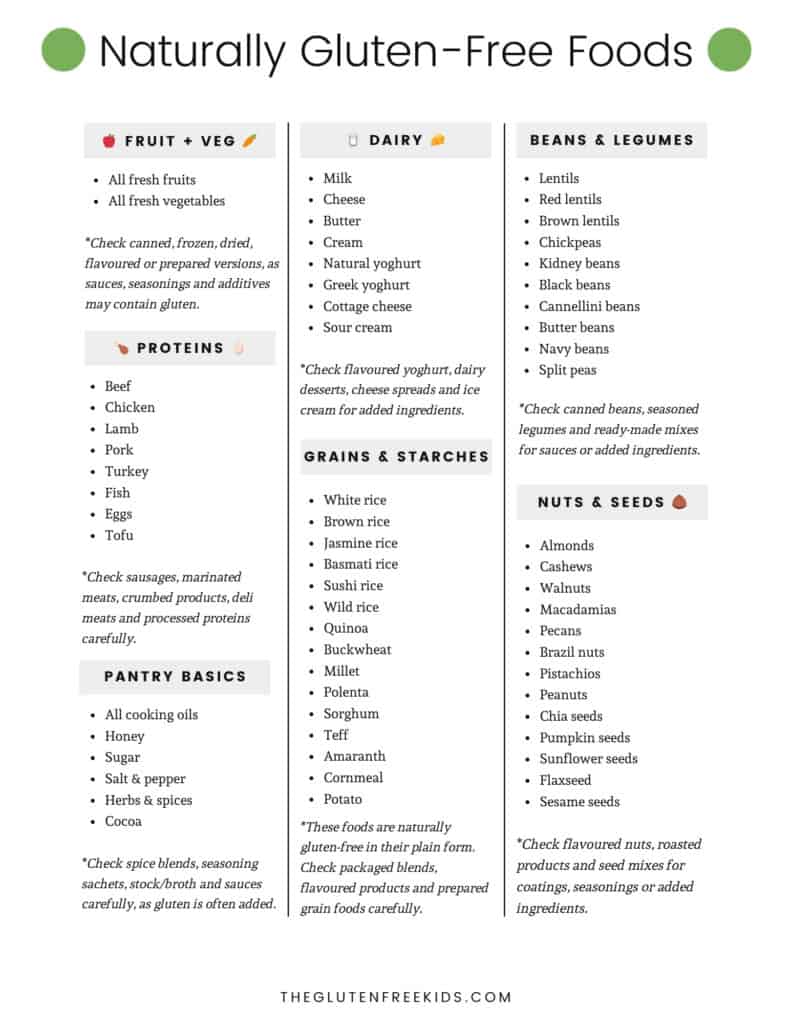
Many everyday foods are already gluten-free, including:
- rice
- potatoes
- eggs
- meat and chicken
- fish
- beans and lentils
- fruit and vegetables
- dairy products
Meals based around these ingredients are often far cheaper than meals built around gluten-free bread, pastries or packaged snack foods.
Budget-friendly examples include:
- rice bowls
- baked potatoes with toppings
- tacos with corn tortillas
- stir fry with rice
- chilli con carne
- omelettes or frittatas
Often the simplest meals are also the most affordable.
Be Selective About Which Gluten-Free Products You Buy
When families first go gluten-free, it’s very tempting to replace everything straight away.
Bread, crackers, biscuits, cakes, cereal, wraps, pasta and pastry can quickly push up the total cost of a shop.
But, not every gluten-free replacement needs to be in the cart every week.
A practical approach is to choose the products that matter most to your family and let other meals rely on naturally gluten-free foods instead. For some families, bread is worth buying regularly. For others, pasta or snack bars may matter more.
Being selective helps keep costs under control without feeling like everything has to be homemade.
Keep Packaged Gluten-Free Snacks for When You Truly Need Them
Packaged gluten-free snacks are often one of the most expensive parts of gluten-free shopping. They are very useful, but they don’t always need to be everyday foods.
We try to keep packaged snacks mainly for those times when convenience really matters, such as:
- travelling
- school excursions
- long car trips
- appointments
- unexpected delays
- last-minute outings
When at home though, it’s usually much cheaper to rely on simple homemade options such as muffins, slices, popcorn, fruit, yoghurt or leftover baking.
That one habit alone can make a noticeable difference over time.
Replace Expensive Gluten-Based Carbs
In many everyday meals, gluten-containing foods are often the main carbohydrate. Bread, pasta, wraps, noodles, crackers and pastry usually provide much of the filling part of a meal.
So when those foods are removed, meals can initially feel smaller or less satisfying unless that carbohydrate is replaced. However, budget-friendly naturally gluten-free carbohydrates include:
- rice
- potatoes
- sweet potato
- corn
- polenta
- rice noodles
- beans and lentils
Using these more often helps meals stay filling without relying heavily on expensive gluten-free replacements.
In our house, rice and potatoes do a lot of the heavy lifting because they are affordable, filling and easy to build meals around.
We make plenty of rice-based meals such as fried rice, curries with rice, rice bakes and sushi bowls, along with potato-based meals like mash, potato bake, bangers and mash, or air fryer wedges.
These meals are often far more budget-friendly than relying heavily on gluten-free bread, wraps or pasta.
Use Homemade Bread Hacks Where You Can
With 3 growing kids, a loaf of gluten-free bread can be gone in our house by the time I’ve turned around! And gluten-free bread products are often one of the most expensive items in the cart. We effectively pay more and get less of it!
This is one reason I rely a lot on simple gluten-free bread alternatives at home.
Recipes like gluten-free two-ingredient dough help fill the gap, because one simple dough can be turned into delicious:
- Gluten-Free Air Fryer Bagels
- Gluten Free Naan Bread Recipe
- Gluten-Free Pizza Scrolls
- Gluten-Free Hot Pockets
- Ham & Cheese Rolls (Gluten-Free)
Even replacing just some store-bought bread products with simple homemade versions can reduce costs noticeably.
Plan Ahead and Build a Freezer Stash
Planning ahead saves both money and stress.
A freezer stash can stop you needing expensive last-minute gluten-free options when everyone is hungry and time is short. Useful foods to freeze include:
- gluten-free muffins
- gluten-free bars and slices
- pancakes
- cooked rice
- leftover meals
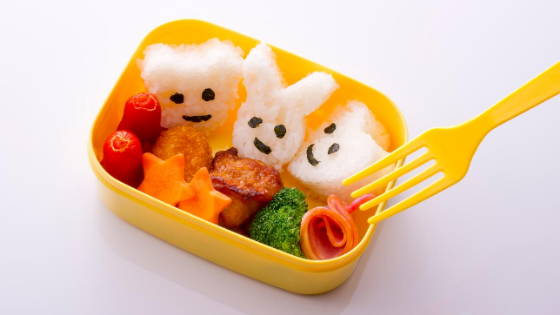
- lunchbox items
Having these ready means you always have something gluten-free available without needing to buy convenience foods.
It also helps avoid waste because homemade foods can be frozen before they dry out.
Use Simple Food Prep to Make Ingredients Stretch Further
A little food prep can make gluten-free meals much cheaper during the week because it helps you use ingredients across multiple meals instead of starting from scratch every day.
This does not need to mean hours of meal prep, counting macros or eating the same thing every day!
Often it’s simply preparing one or two versatile basics that can be used in different ways. For example, a slow cooker batch of shredded chicken can become:
- wraps or rice bowls
- tacos
- loaded baked potatoes
- lunchbox fillings
- quesadillas
- quick dinners with salad or vegetables
Slow cooker meals such as Mexican chicken, shredded chicken or simple pulled meat are often budget-friendly because they stretch well and can feed several meals.
Boiling eggs ahead of time can also help – they make an easy lunchbox addition, quick snack or simple protein option without needing expensive packaged gluten-free foods.
Other easy food prep ideas include:
- cooking extra rice (while making dinner) to use the next day (for fried rice)
- roasting extra vegetables
- preparing a tray of muffins or slice
- portioning leftovers into lunch servings for the thermos
Sometimes one tray of baking, a slow cooker meal and a dozen boiled eggs can make the whole week feel easier.
Prevent Waste – Especially With Expensive Gluten-Free Foods
Because gluten-free products cost more, wasting them feels even more frustrating. But, simple habits can help expensive foods last longer:
- freeze gluten-free bread early rather than letting it stale – you can even section it up in individual Ziplock bags and take out as required)
- turn stale bread into breadcrumbs
- freeze leftover baking
- portion crackers and snacks carefully
- reuse leftover rice, meat or vegetables in another meal
Many gluten-free foods have a shorter window before they dry out or lose freshness, so getting into the habit of freezing and repurposing quickly can save quite a bit over time.
Stock Up When Gluten-Free Products Are on Sale/Discount
Gluten-free products are expensive enough, that sales are worth paying even more attention to.
When staple items are reduced, it often makes sense to buy extra – if they store well of course.
Good products to stock up on include:
- gluten-free pasta
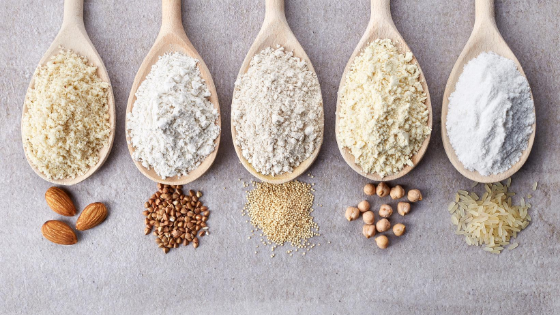
- gluten-free flour
- gluten-free packet cake mixes
- baking mixes
- crackers
- shelf-stable snacks
Gluten-free packet cake mixes are especially handy to keep on hand when because they often solve last-minute baking, lunchbox or birthday needs without paying full price later.
Gluten-Free Does Not Have to Mean Expensive
When families first start gluten-free living, it can feel like every meal needs special ingredients. In reality, many affordable gluten-free meals are built from simple everyday foods.
Rice, potatoes, eggs, vegetables, beans, meat and homemade baking often form the most budget-friendly gluten-free kitchens.
The goal is not to remove gluten-free products completely. It’s simply to use them where they matter most, rely on naturally gluten-free foods more often, and waste as little as possible.
Over time, most families naturally work out which gluten-free foods are worth buying, which ones are worth making, and where the grocery budget stretches best – it’s about what works best for your gluten-free family needs.
Helpful related guides
You might also find these useful: